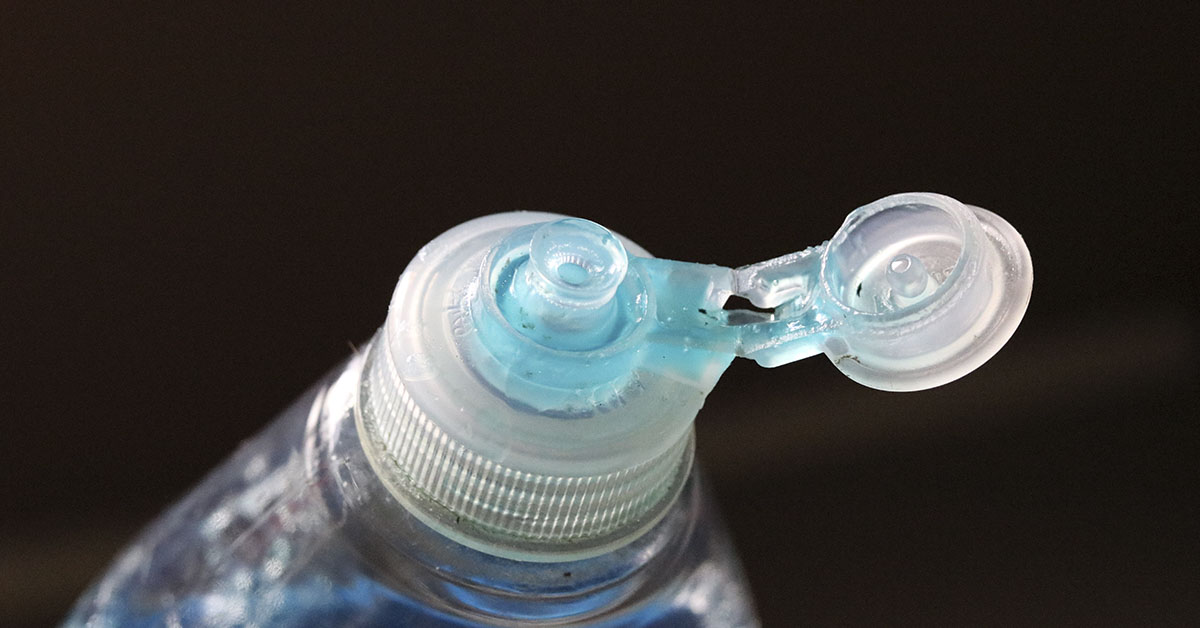

Dish soap is a common household item that many people use on a daily basis. It is meant to clean dishes and remove grease and grime, but what if this seemingly harmless product could have hidden health implications for humans and the environment? This is the dark side of dish soap that few people know about.
An investigation by ProPublica revealed that some of the ingredients in dish soaps and detergents may harm human health, particularly for those who live in areas where these ingredients are manufactured.
According to the Environmental Working Group (EWG),2 Dawn Ultra Concentrated Dishwashing Liquid Original, one of the most popular brands of dish soap in the United States, contains a number of other potentially harmful chemicals. These include sodium laureth sulfate, which can be irritating to the skin and eyes, and methylisothiazolinone, which is a skin sensitizer that can cause allergic reactions.
Furthermore, some of the ingredients in dish soap can negatively affect the environment. For example, phosphates, commonly found in dish soap, can cause water pollution and harm aquatic life. When phosphates enter bodies of water, they can lead to an overgrowth of algae, which can deplete oxygen levels and create “dead zones” where fish and other marine life cannot survive.3
The use of dish soap can also contribute to the problem of plastic pollution. Many brands of dish soap come in plastic bottles that are not recyclable in all areas. This means that these bottles may end up in landfills, where they can take hundreds of years to decompose. Additionally, some of the chemicals in dish soap may not break down easily, which means they can persist in the environment for a long time.
So, what can you do to avoid the negative health and environmental implications of dish soap? One option is to switch to a more natural alternative. There are many brands of dish soap on the market that are made with natural ingredients and do not contain harmful chemicals. For example, some brands use plant-based surfactants, which are gentle on the skin and do not harm the environment.
Another option is to make your own dish soap using simple ingredients like castile soap, baking soda, and essential oils. This allows you to control exactly what goes into your dish soap and can help you avoid harmful chemicals and plastic packaging.
In conclusion, while dish soap may seem like a harmless product that we use every day, it can have hidden health and environmental implications. Some of the chemicals in dish soap can be harmful to human health, and the use of dish soap can contribute to water pollution and plastic pollution. By choosing natural alternatives or making your own dish soap, you can reduce your exposure to harmful chemicals and do your part to protect the environment. The next time you reach for that bottle of dish soap, remember the hidden implications and make an informed decision about the products you use in your home.
Sources
- “The Dirty Secret of America’s Clean Dishes.” Propublica. Max Blau and Lylla Younes. December 20, 2021.
- “Dawn Ultra Concentrated Dishwashing Liquid, Original.” EWG
- “Dead Zone.” National Geographic