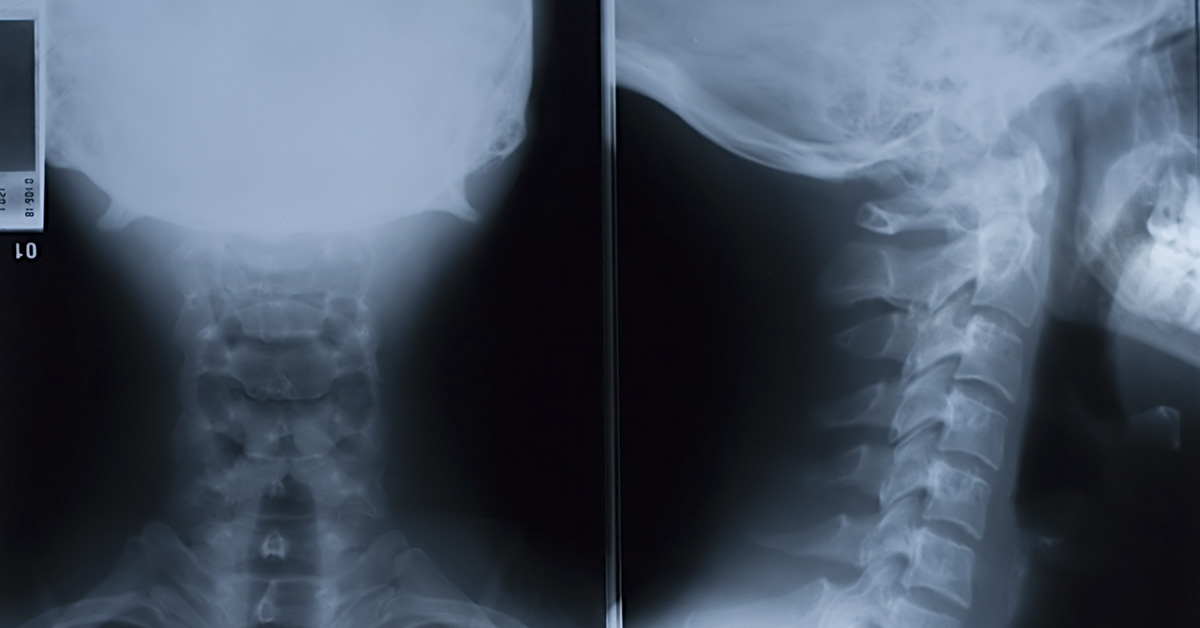

In a warning tale that stresses the potential dangers of holding in a sneeze, medical experts are sounding the alarm. This comes after an incident where a Scottish man inadvertently tore a hole in his throat. The episode unfolded when, trying to suppress a bout of coughing while driving, the man pinched his nose and closed his mouth—unwittingly subjecting himself to the force of a very powerful sneeze.
We’re all guilty of holding in a sneeze at some stage… Right?
This seemingly harmless act resulted in a 0.08-inch tear in the man’s windpipe. A consequence that led him to seek emergency medical attention. Upon examination, doctors attributed the incident to the man’s underlying condition of allergic rhinitis. Commonly known as hay fever, it is an allergic reaction caused by pollen.

Dr. Rasads Nisirovs, who is affiliated with the University of Dundee, issued a stark warning based on this case—highlighting the potential dangers of holding in sneezes. According to Dr. Nisirovs, the pressure build-up when holding in a sneeze can reach levels up to 20 times higher than normal. He urged the public to refrain from stifling sneezes by pinching the nose while keeping the mouth closed. Cautioning that such actions can result in tracheal perforation.
It’s common knowledge that holding in a sneeze is bad – but why?
The medical community’s concerns regarding the holding in of sneezes are noted in a recent case report published in the British Medical Journal (BMJ) titled ‘Spontaneous tracheal perforation following a sneeze.’ The report details the case of a man in his 30s with a history of allergic rhinitis. He experienced severe neck pain after trying to stifle a sneeze while driving with a seat belt on.
Read: Paramedic Partially Paralysed By Stroke After ‘Neck Crack’ Ruptured Major Artery
At the first presentation, the patient denied any sort of issues

Upon presentation at the accident and emergency department, the man denied experiencing respiratory distress, voice changes, or difficulty swallowing. However, the examination revealed bilateral swelling of the neck, palpable crepitus, and restricted neck movement.
Doctors opted for a conservative approach. Monitoring the patient closely for 48 hours as an inpatient without the need for mechanical ventilation. The man was discharged with painkillers and hay fever medication. The tear in his windpipe reportedly healed within five weeks without the necessity for antibiotics or surgical intervention.
May this be a lesson to all – don’t hold in a sneeze… Ever
The incident serves as a stark reminder that seemingly innocuous actions, such as holding in a sneeze, can lead to unexpected and potentially severe consequences. Dr. Nisirovs emphasized the importance of advising everyone against stifling sneezes, especially through the specific method employed by the man in this case.
The medical community recommends increased awareness about the risks of attempting to suppress natural bodily functions. The BMJ report underscores the significance of closely monitoring patients with tracheal tears, even in cases where surgical intervention is deemed unnecessary.
As individuals navigate situations where the instinct to suppress a sneeze arises, the key takeaway from this incident is a heightened awareness of the potential risks involved. A sneeze, a common reflex, should be allowed to occur naturally to avoid unforeseen and, in some cases, serious health consequences.
Keep Reading: Hospital Evacuated After 88-Year-Old Man Arrives With WW1 Artillery Shell Lodged In Rectum