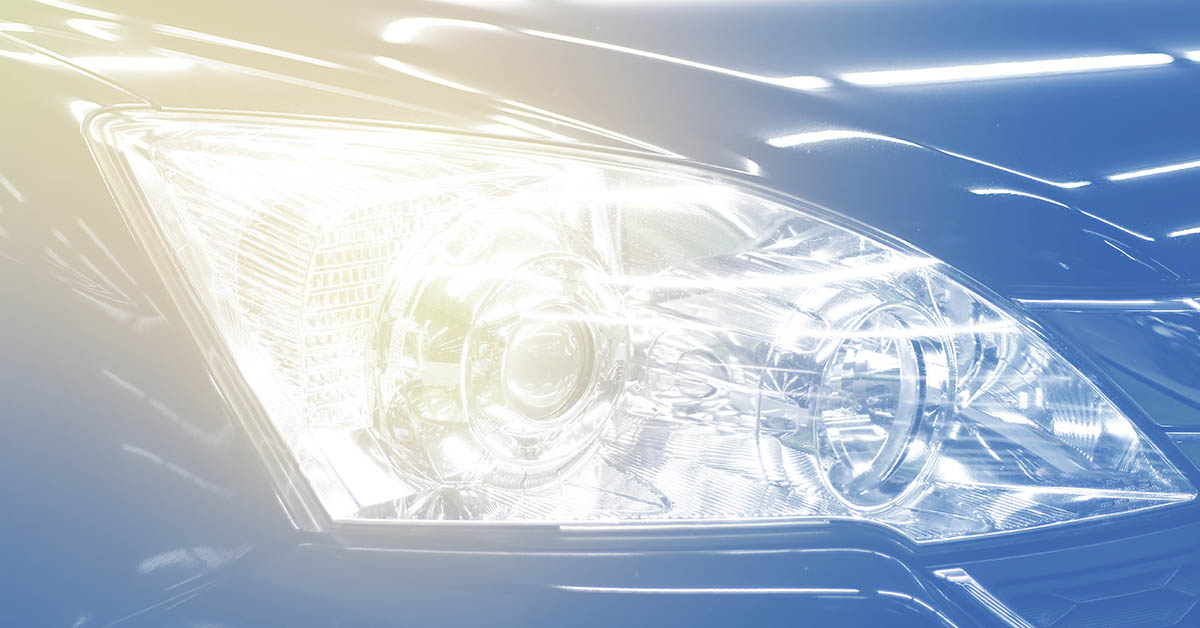

We’ve likely all been there: You’re driving after dark, only to be momentarily blinded by the car coming the opposite direction. You squint in the intense brightness of their headlights and think I swear headlights are brighter than they used to be. Well, you’re not alone, and you’re definitely not wrong. Headlights are brighter than they used to be – and they are a potential safety hazard for drivers. This is why we’ve got seemingly brighter and brighter headlights and why it’s putting drivers at risk.
The Rise of Bright Headlights
In recent years, motorists have noticed a significant increase in the brightness of car headlights. This is not because everyone is driving with their high beams on. Rather, it’s because we’ve changed the kind of lightbulb that we put in car headlights. The advent of light-emitting diodes (LEDs) and high-intensity discharge (HID) headlights has transformed how we illuminate the roads. However, the growing concern about the blinding effect these powerful headlights have on other drivers raises questions about the safety and regulations surrounding them.
One of the main reasons car headlights have become significantly brighter is the widespread adoption of LED and HID technologies. These advanced lighting systems offer several advantages over conventional halogen bulbs, including increased brightness, efficiency, and durability. (1)
LED headlights, which use light-emitting diodes to produce light, are more energy-efficient than traditional bulbs. They also provide a clearer and brighter illumination, allowing drivers to see the road ahead more effectively. LED headlights have become a popular choice among automakers due to their longevity and versatility in design.
On the other hand, HID headlights, also known as xenon headlights, use a mixture of noble gases and an electric arc to create a bright and intense light beam. These headlights produce a bluish-white light that is closer to natural daylight, which enhances visibility and reduces eye strain. HID headlights are particularly favored for their high performance in terms of luminosity.
Read: Yes, warming up your car before driving in cold weather can damage the engine
The Impact on Road Safety
While the advancement in headlight technology has undoubtedly improved nighttime visibility for drivers, there are concerns about the potential negative consequences of excessively bright headlights. Many individuals have reported being temporarily blinded by the intense glare emitted by these headlights, affecting their ability to see clearly and react quickly on the road. Shawn DeVries of Doon, Iowa, described to The New York Times the pain and light sensitivity he has experienced as a result of encountering these bright headlights. He started closing his left eye to try and help filter out the light, but that has now greatly affected his right eye.
“(my right eye) hurts so bad, sometimes I just want to pop it out,” he told the New York Times
Car Size is an Issue
One of the groups who experience the most problems is those who drive smaller cars. This is because bigger vehicles, such as SUVs and pickup trucks, are taller. Their headlights are, therefore, higher and are positioned at the perfect height to beam drivers of smaller vehicles right in the eyes as they go by. It’s not just traffic coming in the other direction, either. Many people also struggle with the reflection of these lights in their mirrors and rear-view mirrors as well. This has led many to begin to call for safety measures against these lights to come into place.
Regulations and Safety Measures
Recognizing the need to address the issue of excessively bright headlights, both manufacturers and regulatory bodies have taken steps to mitigate the problem. The Society of Automotive Engineers (SAE) has established guidelines for headlight intensity to prevent the excessive glare that can impair other drivers’ visibility. In the United States, the National Highway Traffic Safety Administration (NHTSA) has regulations in place that specify the maximum allowable headlight intensity. However, these regulations can vary in different states, leading to inconsistent enforcement and potential loopholes. (2)
Additionally, some automakers have started incorporating adaptive headlight systems that automatically adjust the beam pattern and intensity based on the surrounding conditions. These systems use sensors to detect oncoming traffic and adjust the headlights to prevent blinding other drivers while still maintaining optimal visibility for the driver.
The Bottom Line
The advancements in LED and HID technologies have unquestionably made car headlights brighter and more efficient, greatly improving nighttime visibility for drivers. However, the intense glare emitted by these headlights has raised concerns about road safety and the potential for temporary blindness. Balancing the need for improved visibility without compromising the safety of other drivers is crucial. Stricter regulations, consistent enforcement, and the implementation of adaptive headlight systems can help address the issue of excessively bright headlights.
As the automotive industry continues to innovate, it is essential to prioritize safety and consider the interests of all road users, ensuring that brighter headlights do not result in unintended negative consequences for drivers and pedestrians alike.
Keep Reading: The Biggest Reason People aren’t Buying Electric Cars